
Part 1: Foundations of Zambian Maize Farming
Introduction
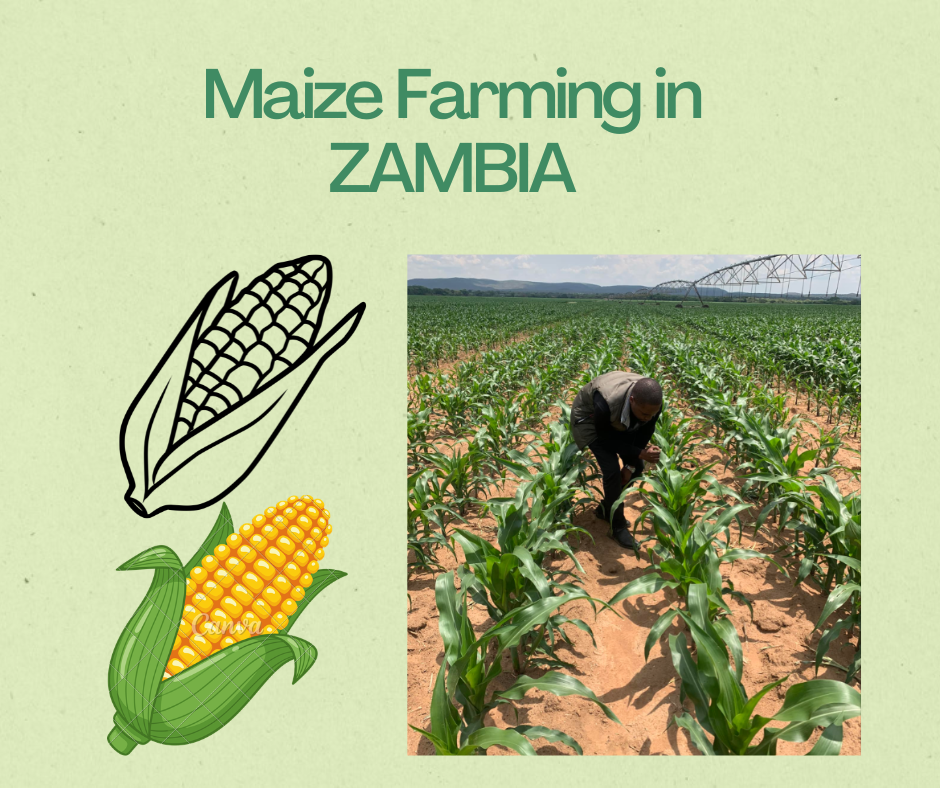
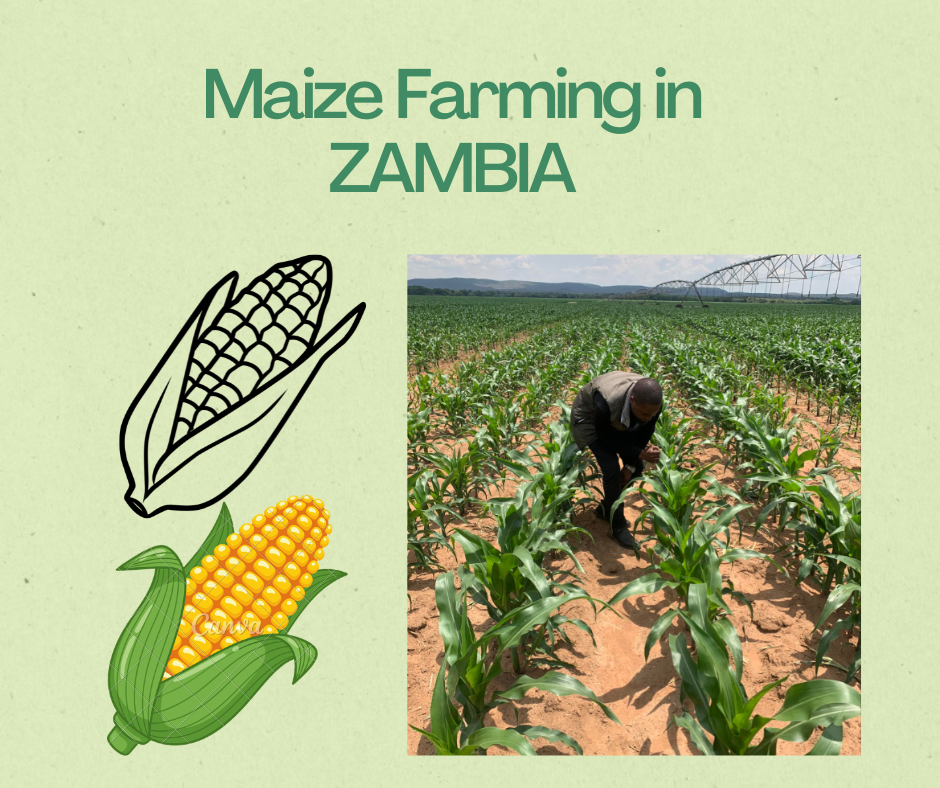
Maize (Zea mays) is not merely a crop in Zambia; it is the cornerstone of national food security, rural livelihoods, and agricultural commerce. For millions of households across the country, maize forms the basis of nshima, the staple food that feeds the nation daily. Whether you are a smallholder farmer cultivating two hectares in Southern Province or a large-scale commercial grower in Mkushi utilizing center-pivot irrigation, mastering maize production requires a systematic, agronomic approach tailored specifically to Zambia’s unique soils and climate.
Please Note: This comprehensive guide serves as the definitive pillar resource for commercial and smallholder growers alike. Over this 5-part guide, we cover every operational detail—from seed selection and soil chemistry to financial budgeting and market access.
Why Maize Farming is Important in Zambia
Understanding the strategic importance of maize helps farmers appreciate market dynamics and policy environments. Maize plays a pivotal role in Zambia across three main pillars:
- National Food Security: Over 60% of the calory intake of the average Zambian household comes from maize. A healthy harvest stabilizes food prices and prevents national grain shortages.
- Economic Livelihood: Agriculture employs more than half of the Zambian labor force. Maize serves as the primary cash crop for over 1.5 million small-scale farming families.
- Industrial Feedstock: Beyond human consumption, maize is a critical input for the livestock sector (poultry, piggery, and dairy feed production), brewing industries, and industrial starch manufacturing.
With growing export demand across regional markets such as the Democratic Republic of Congo (DRC), Malawi, and East Africa, commercial maize farming presents a highly profitable opportunity for disciplined producers who optimize yields per hectare.
Suitable Climate for Maize Production
Maize is a warm-weather crop that thrives in areas with adequate heat units, bright sunlight, and well-distributed moisture throughout its vegetative and reproductive stages. In Zambia, successful production depends heavily on understanding the country’s three primary Agro-Ecological Zones (AEZs):
| ZAMBIA AGRO-ECOLOGICAL ZONES | ||
|---|---|---|
| Zone | Annual Rainfall | Characteristics |
| Region I | Below 800 mm | Drought-prone, short season, hot valleys (Luangwa, Gwembe) |
| Region II (a & b) | 800 mm – 1,000 mm | Commercial heartland, fertile clay-loams, highly productive |
| Region III | Above 1,000 mm (up to 1,500 mm) | High rainfall, leached acidic soils, long growing window |
Agro-Ecological Region I
- Characteristics: Low rainfall (less than 800 mm per annum), high temperatures, and frequent dry spells. Includes the Gwembe Valley, Luangwa Valley, and southern parts of Western and Southern Provinces.
- Maize Suitability: Requires ultra-early maturing seed varieties (90–110 days) or supplemental irrigation. Moisture stress during flowering (silking and tasseling) can severely reduce yields here if not managed properly.
Agro-Ecological Region II (IIa and IIb)
- Characteristics: Medium rainfall (800 mm to 1,000 mm), moderate temperatures, and deep, well-drained fertile clay to loam soils. Covers Central Province, Lusaka Province, Southern plateau, and parts of Eastern Province.
- Maize Suitability: This is Zambia’s primary maize belt. Region II offers the optimal balance of heat units and rain, making it ideal for medium and late-maturing high-yield hybrid varieties.
Agro-Ecological Region III
- Characteristics: High rainfall (1,000 mm to over 1,400 mm per year) spanning Northern, Luapula, Copperbelt, and Northwestern Provinces.
- Maize Suitability: Long growing season allowing late-maturing hybrids. However, heavy rains lead to leached, acidic soils (low pH) that require liming to make nutrients available to the roots.
Best Regions for Growing Maize
While maize can be grown across all ten provinces of Zambia, production performance varies based on soil depth, drainage, and infrastructure access:
- Central Province (Mkushi, Chisamba, Kapiri Mposhi, Mumbwa): Known as the agricultural breadbasket. Characterized by fertile red clay-loam soils, extensive commercial irrigation infrastructure, and proximity to major markets.
- Eastern Province (Chipata, Petauke, Katete): Excellent rain-fed performance with high densities of smallholder and medium-scale outgrowers.
- Southern Province (Choma, Mazabuka, Kalomo): Historically the dominant maize zone, though increasingly subject to dry spells. Highly productive when paired with water harvesting or conservation farming methods.
- Copperbelt & Northwestern Provinces: Expanding rapidly due to high rainfall and proximity to high-value urban centers and mining markets.
Choosing the Right Maize Seed Variety
Selecting the correct seed variety is the single most crucial decision influencing yield potential. Zambian farmers must match the maturity length of the seed with their specific region’s rainfall duration.
Modern seed companies operating in Zambia—such as SeedCo, Zamseed, Syngenta (MRI), Pannar, and Corteva (Pioneer)—classify hybrids into three main maturity bands:
| MAIZE VARIETY MATURITY GROUPS | |||
|---|---|---|---|
| Category | Days to Maturity | Target Rainfall | Recommended Regions |
| Early Maturing | 90 – 120 Days | 500 – 800 mm | Region I & II dry areas |
| Medium Maturing | 120 – 140 Days | 800 – 1,000 mm | Region IIa & IIb |
| Late Maturing | 140 – 160+ Days | 1,000 mm + | Region III & Irrigated commercial fields |
Early Maturing Varieties (300 & 400 Series)
- Days to Maturity: 90 to 120 days.
- Examples: SC 301, SC 419, MRI 454, ZMS 402.
- Best Used For: Region I, late planting (December), or regions experiencing unpredictable dry spells. They perform reliably with minimal rainfall and escape late-season drought.
- Yield Expectation: 4 to 7 tonnes per hectare under good management.
Medium Maturing Varieties (500 & 600 Series)
- Days to Maturity: 120 to 140 days.
- Examples: SC 529, SC 637, SC 647, PAN 53, MRI 634, ZMS 606.
- Best Used For: Region II (Central, Eastern, Lusaka, Southern Provinces). These are the most popular commercial hybrids in Zambia, balancing high yield potential with good drought tolerance.
- Yield Expectation: 7 to 11 tonnes per hectare under rain-fed commercial conditions.
Late Maturing Varieties (700 Series)
- Days to Maturity: 140 to 160+ days.
- Examples: SC 719, SC 727, PAN 7M-89.
- Best Used For: Region III (Northern, Luapula, Northwestern) where rains persist through April, or winter crop farming under full center-pivot irrigation.
- Yield Expectation: 10 to 14+ tonnes per hectare when nutrient demands are fully met.
Pro Tip: Always purchase certified hybrid seeds in sealed bags bearing an official SCCI (Seed Control and Certification Institute) blue or green tag to avoid counterfeit seed. For a detailed breakdown of performance ratings, check our dedicated guide on Best Maize Seed Varieties in Zambia.
Land Preparation
Proper land preparation establishes an optimal seedbed, enhances root penetration, improves water infiltration, and reduces initial weed competition.
1. Selecting Suitable Land
Choose deep, well-drained loamy or clay-loam soils with good organic matter content. Avoid waterlogged areas or heavy un-drained clays, as maize roots are sensitive to oxygen deprivation caused by standing water.
2. Soil Testing
Before applying any fertilizer or lime, conduct a comprehensive soil test. Zambian soils—especially in high-rainfall Region III and intensively farmed areas of Central Province—frequently suffer from low soil pH (acidity).
- Ideal Maize Soil pH: 5.5 to 6.5 (measured in calcium chloride, CaCl₂)
- Managing Acidic Soil: If pH drops below 5.0, toxic aluminum ions inhibit root growth. Apply agricultural lime (calcitic or dolomitic) at recommended rates (typically 1 to 3 tonnes per hectare) 2 to 3 months before planting to neutralize acidity.
Read more about local soil sampling protocols in our complete guide to Soil Testing in Zambia.
3. Tillage Systems: Minimum Tillage vs. Conventional Tillage
Farmers must decide between conservation tillage and conventional ploughing based on equipment, budget, and soil conservation goals:
Minimum Tillage (Conservation Farming)
Conservation agriculture is widely promoted across Zambia to build climate resilience, conserve soil moisture, and protect soil structure.
- Basin Planting (Hand Hoe): Dig planting basins measuring approximately 15 cm × 15 cm × 15 cm during the dry season (August to October).
- Ripping (Tractor or Ox-Drawn): Cutting narrow ripper furrows to a depth of 20–30 cm along crop rows without turning the soil.
- Key Advantages: Preserves moisture, breaks soil hardpans, minimizes soil erosion, and reduces field fuel costs.
For step-by-step field setups, explore our guide on Conservation Farming in Zambia.
Conventional Tillage
- Process: Disc ploughing to a depth of 20 cm, followed by disc harrowing to break soil clods into a fine, level seedbed.
- Key Advantages: Incorporates heavy crop residue quickly, destroys deep weeds, and eases mechanization for large-scale precision planters.
- Drawbacks: Higher operational costs, loss of soil moisture through evaporation, and long-term risk of developing hardpans.
Part 2: Planting, Soil Nutrition & Weed Management
Best Time to Plant Maize in Zambia
Timing is everything in rain-fed maize production. Planting too early into dry soil can cause seed decay or poor germination if the rains stutter, while planting late leads to significant yield losses—often estimated at 1% to 2% yield reduction per day of delay after the optimal window.
| OPTIMAL PLANTING WINDOWS BY REGION | ||
|---|---|---|
| Region | Target Planting Window | Primary Strategy |
| Region I | Nov 25 – Dec 10 | Wait for effective rains (50mm+) |
| Region II (a & b) | Nov 15 – Dec 5 | Plant on first effective rainfall |
| Region III | Nov 1 – Nov 20 | Early planting taking advantage of longer rainy season |
Key Rules for Rain-Fed Planting:
- The “Effective Rainfall” Rule: Do not plant until your field receives at least 30mm to 50mm of continuous rainfall within a 24- to 48-hour period, ensuring soil moisture penetrates to a depth of at least 15–20 cm.
- Dry Planting: Practiced mostly in conservation farming (ripped furrows or basins) where farmers place seed into dry ground in early November. Seeds lie dormant until the first main rains arrive. This maximizes the growing season but carries risks if the first rain is light (causing seed to germinate and subsequently wither).
- Irrigated Maize: Winter maize or early-start summer maize under irrigation is typically planted in September/October or grown during the cold dry season (May to August).
Recommended Planting Spacing & Plant Population
To maximize light interception, nutrient usage, and grain weight, you must achieve the target plant population per hectare.
The standard commercial recommendation in Zambia is targeting 44,000 to 55,000 plants per hectare for rain-fed crops, and up to 65,000 to 75,000 plants per hectare under commercial high-input center-pivot irrigation.
| RECOMMENDED SPACING & SEED RATES | |||
|---|---|---|---|
| Inter-Row (Row Width) | Intra-Row (Seeds) | Target Population | Seed Requirement |
| 75 cm | 25 cm (1 seed) | ~53,333 / ha | 20 – 25 kg / ha |
| 80 cm | 22 cm (1 seed) | ~56,800 / ha | 22 – 25 kg / ha |
| 90 cm | 20 cm (1 seed) | ~55,555 / ha | 22 – 25 kg / ha |
| 90 cm (Conservation) | 40 cm (2 seeds) | ~55,555 / ha | 25 kg / ha |
Planting Depth Guidelines:
- Moist, Clay/Loam Soils: Plant at a depth of 3 cm to 5 cm.
- Sandy / Dry Soils: Plant deeper at 5 cm to 7 cm to ensure the seed contacts moist soil and isn’t dug up by birds or heat-scorched.
Fertilizer Requirements for Zambian Soils
Maize is a heavy feeder, especially of Nitrogen (N), Phosphorus (P), and Potassium (K), along with critical secondary nutrients like Sulfur (S) and micronutrients like Zinc (Zn) and Boron (B).
In Zambia, synthetic fertilizers are primarily standardized into two classic blends: Compound D (Basal) and Urea (Top Dressing).
| STANDARD ZAMBIAN FERTILIZER SPECIFICATIONS | ||
|---|---|---|
| Fertilizer Type | N-P-K Ratio | Primary Function |
| Compound D (Basal) | 10 – 20 – 10 (+6S +Zn) | Early root development & framing |
| Urea (Top Dress) | 46 – 0 – 0 | Rapid vegetative growth & cob size |
| CAN (Alternative) | 27 – 0 – 0 | Less acidifying top dress option |
1. Basal Fertilizer Application (Compound D)
- Application Rate: 4 to 8 bags (200 kg to 400 kg) per hectare, depending on soil fertility, soil test results, and the specific maize variety being grown.
- Timing: At planting or within 7 days after seedling emergence.
- Placement: Apply in a band 5 cm to the side and 5 cm deeper than the seed (side-dressing/banding). Never place fertilizer directly in contact with the seed, as chemical salt burn will kill the germinating embryo.
2. Top Dressing Application (Urea / CAN)
- Application Rate: 4 to 8 bags 200kg to 400kg} per hectare.
- Split Application Strategy (Best Practice):
- First Split: 50% of Urea applied 3 to 4 weeks after emergence (V4 to V6 leaf stage) when plants are knee-high. This accelerates vegetative growth.
- Second Split: 50% of Urea applied 6 to 7 weeks after emergence (V8 to V10 leaf stage) right before tasseling/silking. This directly influences cob length and grain fill density.
- Placement: Place a teaspoonful per plant (or mechanized stream) 10 cm away from the stem and cover with soil to prevent volatile loss of Nitrogen gas into the air.
Pro Tip: For a deeper breakdown on calculating exact fertilizer blend rates per hectare based on target yields, read our Maize Fertilizer Guide for Zambia.
3. Integrating Organic Manure
Incorporating well-rotted cattle manure, poultry litter, or compost at rates of 5 to 10 tonnes per hectare during land preparation improves soil organic matter, increases cation exchange capacity (CEC), and improves soil moisture retention during dry spells.
Weed Management Strategies
Weeds compete aggressively with young maize for light, water, and nutrients. The critical weed-free period for maize is during its first 6 to 8 weeks after emergence. Uncontrolled weeds during this window can reduce grain yields by 30% to 80%.
1. Cultural & Mechanical Methods
- Hand Hoeing / Weeding: Common on smallholder farms. Requires 2 to 3 weedings before crop canopy closure.
- Inter-Row Cultivation: Using ox-drawn weeders or tractor-mounted cultivators between rows before maize reaches knee height.
2. Chemical Herbicide Management
Commercial growers rely on structured chemical regimes to keep fields clean:
- Pre-Emergence (Applied right after planting, before crop/weeds emerge):
- Atrazine + S-Metolachlor: The gold-standard broad spectrum combination in Zambia. Controls most broadleaf weeds and annual grasses.
- Post-Emergence (Applied when broadleaf weeds are at 2–4 leaf stage):
- Nicosulfuron: Controls stubborn annual and perennial grasses like Rottboellia (Shamva grass).
- 2,4-D Amine: Target selective broadleaf weeds. Caution: Apply strictly when maize is below knee height to prevent stalk brittleness or lodging.
Check out our full chemical application chart in the article Best Herbicides for Maize.
Part 3: Crop Protection, Irrigation & Cropping Systems
Common Pests Affecting Maize in Zambia
Pest management requires proactive, regular field scouting. Unchecked insect infestations—especially during early vegetative stages—can destroy yield potential before cobs even form.
| KEY MAIZE PESTS & CONTROL SUMMARY | |||
|---|---|---|---|
| Pest | Primary Symptoms | Timing / Trigger | Control Strategy |
| Fall Armyworm | Windowpane leaf damage, sawdust-like frass in whorls, chewed cobs | Emergence to tasseling (V2 – VT) | Emamectin benzoate, Flubendiamide, Chlorantraniliprole (rotated) |
| African Stalk Borer | Holes in leaves, dead heart (dying central shoot), bored stems | Mid-vegetative stage (V6+) | Alpha-cypermethrin granules in funnel, systemic foliar sprays |
| Cutworms | Young seedlings felled/cut off clean at ground level at night | First 2 weeks post-emergence | Pyrethroid synthetic seed dressing or evening ground-drenching |
| Maize Aphids | Clusters of green insects on tassels/upper leaves, sticky honeydew | Dry spells during flowering | Imidacloprid, Acetamiprid, or encouraging natural ladybird predators |
1. Fall Armyworm (Spodoptera frugiperda)
Since entering Southern Africa, Fall Armyworm (FAW) has posed an ongoing threat to Zambian maize. Moths lay clusters of eggs on young leaf undersides, and larvae burrow deep into the whorl (funnel).
- Scouting Protocol: Walk fields twice weekly in a “W” pattern. Inspect 20 plants across 5 locations. Action threshold is reached when 5% to 10% of plants show fresh “shot-hole” damage.
- Chemical Rotation: Never spray the same chemical class back-to-back, as FAW rapidly develops resistance. Alternate between Emamectin Benzoate, Chlorantraniliprole, and Spinotoram.
- Application Technique: Direct high-pressure spray nozzles straight down into the leaf whorl early in the morning or late afternoon when larvae are actively feeding.
For target dosages and safety protocols, review our dedicated guide on Fall Armyworm Control in Zambia.
2. Stalk Borers (Busseola fusca)
Larvae tunnel inside stems, weakening plant structure, disrupting nutrient transport, and causing plants to snap under wind load (lodging). Applying systemic insecticides or placing granules directly into the whorl at knee height provides effective control.
3. Cutworms (Agrotis spp.)
Dull grey caterpillars that hide in the soil during the day and sever young seedlings at ground level at night. Keep fields clear of weeds for at least two weeks before planting to starve emerging larvae, or apply insecticide seed treatments (e.g., Thiamethoxam).
Common Diseases Affecting Maize in Zambia
Disease outbreaks are driven by high humidity, poor crop rotation, susceptible hybrids, and warm temperatures.
| MAIZE DISEASE IDENTIFICATION & MANAGEMENT | |||
|---|---|---|---|
| Disease | Pathogen Type | Visual Symptoms | Primary Prevention / Treatment |
| Maize Streak Virus (MSV) | Viral (Leafhopper vector) | Narrow yellow/white streaks parallel to leaf veins, stunted growth | Plant MSV-resistant seed varieties; control leafhoppers early |
| Grey Leaf Spot (GLS) | Fungal (Cercospora zeae-maydis) | Rectangular tan-brown lesions bounded by leaf veins | Fungicides (Azoxystrobin + Difenoconazole), crop rotation |
| Northern Corn Leaf Blight (NCLB) | Fungal (Exserohilum turcicum) | Long, cigar-shaped greyish-green lesions across leaf blades | Resistant hybrids, early foliar triazole or strobilurin sprays |
| Fusarium / Gibberella Ear Rot | Fungal (Fusarium spp.) | Pinkish, white, or reddish mold growth on kernels and husks | Prevent ear borer damage; harvest promptly when mature |
1. Maize Streak Virus (MSV)
Transmitted by leafhoppers (Cicadulina mbila). Infected young plants produce severely stunted cobs or no yield at all. The primary control strategy is planting certified MSV-resistant hybrid seed (most modern Zambian hybrids carry genetic resistance) and applying systemic seed dressings.
2. Grey Leaf Spot (GLS) & Northern Corn Leaf Blight (NCLB)
Both fungal diseases thrive under humid conditions, especially in Region III or zero-tillage fields where infected crop residue stays on the surface. If lesions spread up toward the flag leaf before cob formation, apply a broad-spectrum triazole + strobilurin fungicide spray (e.g., Tebuconazole + Azoxystrobin).
3. Ear Rots & Mycotoxins
Ear rots destroy grain quality and produce dangerous aflatoxins and fumonisins, rendering grain unfit for human consumption or export. Control root and stalk borers (which create entry wounds for fungi) and harvest as soon as grain reaches acceptable moisture levels.
Irrigation Requirements for Maize
While over 90% of maize in Zambia is grown under rain-fed conditions, winter maize production and supplemental irrigation during dry spells are highly profitable practices for commercial farming operations.
| MAIZE WATER REQUIREMENTS BY CROP STAGE | |||
|---|---|---|---|
| Growth Phase | Duration (Days) | Daily Water Use | Sensitivity to Moisture Stress |
| Establishment (Germination – V3) | 0 – 20 | 2.0 – 3.0 mm / day | Moderate (Needs uniform soil moisture to emerge) |
| Rapid Growth (V6 – V18) | 21 – 55 | 4.5 – 6.5 mm / day | Medium (Affects plant height and potential cob size) |
| Flowering (Silking & Tasseling) | 56 – 80 | 7.0 – 9.0 mm / day | CRITICAL HIGH (Drought causes silk drying & poor cob fill) |
| Yield Formation (Grain Filling) | 81 – 120 | 5.0 – 6.0 mm / day | High (Affects thousand-kernel weight and density) |
| Ripening / Maturation | 121 – 140+ | 2.0 – 3.0 mm / day | Low (Taper off irrigation to allow natural drying) |
- Total Seasonal Requirement: Maize requires 500mm to 800mm of water throughout its growing season.
- The Critical Window: Moisture stress occurring two weeks before or after silking can cut final grain yields by up to 50%, because dry silks fail to catch pollen, leading to incomplete cobs (“blind cobs”).
To explore design setups, pump sizing, and center-pivot layouts, see our technical guide on Irrigation Farming in Zambia.
Crop Rotation Systems
Monocropping maize year after year depletes soil Nitrogen, promotes hardpans, and leads to severe build-up of pests like Fall Armyworm and diseases like Grey Leaf Spot.
Recommended 3-Year Rotation Cycles:
Option A (Commercial Focus):
Example Crop Rotation Plan
- Year 1: Maize
- Year 2: Soya Beans
- Year 3: Wheat or Maize
Rotating maize with legumes such as soya beans helps improve soil fertility through natural nitrogen fixation, breaks pest and disease cycles, and can lead to higher maize yields in subsequent seasons. Where wheat production is suitable, alternating maize with wheat can also contribute to better soil health and more efficient land use.
Option B (Smallholder Focus):
Example Crop Rotation Plan
- Year 1: Maize
- Year 2: Groundnuts or Cowpeas
- Year 3: Sunflower or Cotton
Rotating maize with legumes such as groundnuts or cowpeas helps replenish soil nitrogen, improve soil structure, and reduce the buildup of maize pests and diseases. Following with crops like sunflower or cotton further diversifies the rotation, promotes healthier soils, and can improve long-term farm productivity and profitability.
Benefits of Rotating with Legumes:
- Biological Nitrogen Fixation: Legumes like soya beans or groundnuts form symbiotic relationships with Rhizobium bacteria, fixing up to 30kg to 80kg of free Nitrogen per hectare into the soil for the following maize crop.
- Break Pest and Disease Cycles: Fungal spores and insect pupae that target cereal crops die off during legume seasons due to the absence of a suitable host plant.
Part 4: Harvesting, Grain Storage & Marketing Options
Determining Maize Harvesting Readiness
Harvesting at the correct moisture content is critical. Delaying harvest leaves grain exposed to field molds, ear rots, termite attack, and bird damage, while harvesting too early leads to kernel crushing during shelling and rapid decay in storage.
Key Physical Signs of Physiological Maturity:
- The “Black Layer” Formation: Break a kernel off the cob and inspect the tip where it connects to the cob. A distinct black/dark brown tissue layer indicates nutrient transfer from the plant has completely stopped.
- Husk and Leaf Drying: Husks turn completely pale yellow/straw-colored and loosen around the cob. Lower leaves dry out entirely.
- Kernel Hardness: Kernels become hard, glossy, and cannot be easily indented with a thumbnail.
Grain Moisture Content & Drying Techniques
Grain moisture dictates how long maize can be safely stored without mold development or insect proliferation.
| MAIZE MOISTURE CONTENT & STORAGE RISK MATRIX | |||
|---|---|---|---|
| Moisture % | Crop Stage / Status | Storage Risk Level | Recommended Action |
| 30% – 35% | Physiological Maturity (Black Layer) | Extreme (Spoils in 24–48 hrs) | Field dry or mechanical high-heat drying required |
| 18% – 22% | Safe for Mechanical Shelling | High (Mold & heating risk) | Shell and immediately batch-dry on tarpaulins or driers |
| 13.5% – 15% | FRA / Commercial Buyer Acceptance | Moderate (Short-term storage) | Acceptable for immediate sale; dry further for long storage |
| 12% – 12.5% | Optimal Long-Term Storage Threshold | Low (Safe for 6–12+ months) | Bag in hermetic sacks or store in bulk aerated silos |
Drying Methods:
- Sun Drying (Smallholder Scale): Spread hand-shelled or cob maize evenly on raised plastic tarpaulins (never directly on bare ground to avoid moisture draw and fungal contamination). Turn grain every 2 hours for uniform drying.
- Batch / Continuous Flow Mechanical Drying (Commercial Scale): Uses diesel or gas-fired hot air systems to reduce grain moisture safely from 20% down to 12.5% at rates of several tonnes per hour.
On-Farm Storage & Pest Protection
Post-harvest losses in Zambia frequently reach 15% to 30% due to storage insect pests, primarily the Larger Grain Borer (Prostephanus truncatus) and the Maize Weevil (Sitophilus zeamais).
| GRAIN STORAGE METHODS COMPARISON | |||
|---|---|---|---|
| Storage System | Capital Investment | Chemical Requirement | Typical Loss Rate |
| Standard Woven Poly Bags | Low | High (Synthetic grain dust mandatory) | 10% – 25% (If chemical fails) |
| Hermetic Storage Bags (e.g., PICS) | Moderate | None (Suffocates pests naturally) | < 1% |
| Metal Silos / Hermetic Drums | Moderate – High | None (If airtight) | < 1% |
| Commercial Aerated Silos | High | Fumigation (Aluminum Phosphide gas) | Near 0% |
Best Practices for Insect Control:
- Hermetic Bag Technology: Triple-layer hermetic bags stop oxygen exchange. Insects and larvae deplete the enclosed oxygen within days and suffocate, eliminating the need for synthetic chemical dusts.
- Chemical Protectants: For standard woven bags, treat grain thoroughly during bagging with organophosphate/pyrethroid dusts containing active ingredients like Deltamethrin + Pirimiphos-methyl.
- Warehouse Hygiene: Sweep granaries clean, repair wall cracks, and stack bags on wooden pallets raised at least 15cm off the floor and away from walls to prevent dampness and rodent access.
For detailed grain protection schedules and warehouse management protocols, read our guide on Post-Harvest Grain Storage in Zambia.
Marketing Options & Buyer Channels in Zambia
Navigating marketing channels strategically determines whether grain farming produces an attractive return on investment.
1. Food Reserve Agency (FRA)
- Target Group: Smallholder and medium-scale producers.
- Characteristics: Sets a seasonal floor price per 50kg bag for national strategic reserves. Payment processing schedules can vary by district and buying season.
2. Commercial Grain Millers & Feed Manufacturers
- Target Group: Medium and large-scale commercial growers.
- Characteristics: Require strict quality criteria (moisture ≤ 12.5%, low broken kernels, zero live pests, safe aflatoxin limits). Often offer cash-on-delivery or prompt 7- to 14-day bank settlements.
3. Agricultural Commodity Exchanges (e.g., ZAMACE)
- Target Group: Structured producers and commercial operations.
- Characteristics: Allows producers to deposit grain into certified warehouse receipt system (WRS) facilities, obtain financing against deposited grain, and sell forward when market prices rise later in the dry season.
4. Local Informal Markets & Open Traders
- Target Group: Smallholders needing immediate cash.
- Characteristics: Highly flexible, quick liquidity, but traders frequently apply price discounts at harvest peak when supply floods local markets.
Part 5: Financial Planning, Gross Margin Analysis & Key Takeaways
Estimated Maize Production Costs per Hectare in Zambia
Accurate financial planning and budgeting are essential before launching a commercial or semi-commercial maize operation. Production costs vary based on mechanization level, fertilizer application rates, seed selection, and weed management strategies.
Below is an estimated cost breakdown for producing one hectare of rain-fed maize in Zambia, comparing moderate-input (targeting 3–4 MT/ha) versus high-input commercial management (targeting 7–9 MT/ha).
| ESTIMATED MAIZE PRODUCTION COST PER HECTARE (ZMW) | |||
|---|---|---|---|
| Cost Item / Input | Moderate-Input System (3–4 MT/ha) | High-Input Commercial System (7–9 MT/ha) | Key Details |
| Land Prep & Planting | K 1,500 – K 2,200 | K 3,500 – K 5,000 | Ripping/ploughing, discing, mechanical/hand planting |
| Certified Seed (25 kg) | K 1,200 – K 1,600 | K 1,800 – K 2,500 | Medium to late-maturing hybrid seed varieties |
| Basal Fertilizer (Compound D) | K 3,200 – K 4,800 (4–6 bags) | K 6,400 – K 9,600 (8–12 bags) | Applied at planting or side-dressed at emergence |
| Top-Dressing Fertilizer (Urea) | K 3,200 – K 4,800 (4–6 bags) | K 6,400 – K 9,600 (8–12 bags) | Split-applied at V4 and V8 growth stages |
| Herbicides & Crop Protection | K 1,200 – K 2,000 | K 2,500 – K 4,000 | Pre-emergence, post-emergence, and Fall Armyworm sprays |
| Labor, Harvesting & Shelling | K 2,000 – K 3,000 | K 3,500 – K 5,500 | Casing, hand/combine harvesting, mobile shelling fees |
| Bags & Packaging | K 800 – K 1,400 | K 1,800 – K 2,800 | Standard woven or hermetic bags for storage/transport |
| TOTAL ESTIMATED COST / HA | K 13,100 – K 19,400 | K 25,900 – K 39,000 | Excludes land ownership lease costs and major capital equipment |
Gross Margin & Revenue Scenarios
Gross margin indicates profit after deducting direct operating costs. The floor buying price set by the Food Reserve Agency (FRA) provides a helpful benchmark for gross revenue calculations.
Revenue Projections per Hectare
(Based on the official FRA benchmark price of K347 per 50kg bag, equivalent to K6,940 per Metric Ton):
| MAIZE GROSS MARGIN & PROFITABILITY ANALYSIS | ||||
|---|---|---|---|---|
| Target Yield (MT/ha) | 50 kg Bags / ha | Gross Revenue @ K347/bag | Estimated Production Cost | Estimated Net Profit / ha |
| 3.0 MT / ha (Low Smallholder) | 60 bags | K 20,820 | K 14,000 | K 6,820 |
| 5.0 MT / ha (Medium / Good Management) | 100 bags | K 34,700 | K 20,000 | K 14,700 |
| 8.0 MT / ha (High Commercial) | 160 bags | K 55,520 | K 31,000 | K 24,520 |
Key Financial Insight: Higher yield per hectare significantly lowers unit production costs per bag. Doubling yield from 3 MT/ha to 6 MT/ha requires less than double the investment in seed and land prep, driving substantially higher profit margins per hectare.
Managing Risk in Zambian Agriculture
Farming maize profitably requires proactive risk mitigation against climate, market, and financial threats:
- Mid-Season Drought & Dry Spells: Address rainfall variability in Agro-Ecological Region I & II by practicing conservation farming (ripping/basins to capture early rain) or installing supplemental irrigation.
- Input Price Volatility: Purchase basal and top-dressing fertilizers off-season (August–September) when demand and pricing are lower, rather than waiting until November when prices peak.
- Post-Harvest Grain Devaluation: Avoid selling 100% of your crop during the harvest peak (May–July) when local supply is highest. Dry grain down to 12% moisture and store it safely in hermetic bags or silos to sell during late-season price increases (October–January).
To build a resilient farming business plan, read our comprehensive framework onAgribusiness Capital & Financing in Zambia.
Summary Checklist for Successful Maize Production
Before starting your season, ensure you can check off every box:
- [ ] Soil Test Complete: pH adjusted to 5.5–6.5 using agricultural lime where necessary.
- [ ] Field Preparation Done Early: Land ripped or deep-ploughed before the first effective rains.
- [ ] Certified Hybrid Seed Procured: Selected based on your region’s rainfall pattern (Early vs. Late maturity).
- [ ] Basal Fertilizer Applied Correctly: Placed 5cm beside and below the seed, covered with soil.
- [ ] Early Weed Control: Pre-emergence herbicide sprayed within 48 hours of planting.
- [ ] Scouting Schedule Active: Twice-weekly checks for Fall Armyworm and leaf disease symptoms.
- [ ] Split Top-Dressing Completed: Applied at knee-height (V4–V6) and hip-height (V8–V10).
- [ ] Harvest Moisture Verified: Grain dried down to ≤ 12.5% before storage or marketing.
Frequently Asked Questions (FAQs) About Maize Farming in Zambia
1. How many 50kg bags of fertilizer do I need per hectare of maize in Zambia?
For optimal yield (targeting 5 to 8 tonnes per hectare), the general recommendation is 4 to 6 bags of D-Compound (basal) and 4 to 6 bags of Urea (top dressing) per hectare (approx. 2.5 acres).
- Pro tip: If your soil is acidic, you will also need 5 to 10 bags of agricultural lime per hectare during land preparation to unlock the fertilizer’s potential.
2. How many 10kg bags of maize seed do I need for 1 hectare?
You need roughly 20kg to 25kg of hybrid seed per hectare. This usually translates to two 10kg bags plus one 2.5kg or 5kg bag, depending on the variety and spacing. Targeting a plant population of 45,000 to 55,000 plants per hectare yields the best results.
3. What is the standard spacing for planting maize in Zambia?
The standard standard recommendation from Seed Co, MRI/Syngenta, and ZAMSEED is:
- Inter-row (between rows): 75 cm
- Intra-row (between plant holes): 25 cm to 30 cm (planting 1 seed per hole) or 50 cm (planting 2 seeds per hole).
4. Which maize seed variety is best for my region?
It depends on your agro-ecological zone and rainfall patterns:
- Low Rainfall Areas (Region I – Gwembe Valley, Shang’ombo, Southern Valley): Early maturing/drought-tolerant varieties like SC 419, SC 301, or MRI 514.
- Medium Rainfall Areas (Region II – Lusaka, Central, Eastern, Southern Plateau): Medium maturing varieties like SC 647, SC 637, Pannar 53, or MRI 634.
- High Rainfall Areas (Region III – Copperbelt, Luapula, Northern, Muchinga): Late maturing, high-yielding varieties like SC 719, SC 727, or Pannar 12.
5. When is the exact best time to plant maize in Zambia?
The ideal planting window is between mid-November and early December, right at the onset of reliable rains. “Planting with the first good rain” (at least 20mm–30mm of moisture) allows the plant to take advantage of the natural soil nitrogen flush. Late planting into late December or January drastically reduces yield due to shortened daylight and moisture loss during grain filling.
6. When should I apply D-Compound and Urea fertilizer?
- D-Compound (Basal): Apply at planting or within 3 to 7 days after germination. Place it about 5cm away from the seed/seedling and 5cm deep so you don’t burn the root.
- Urea (Top Dressing): Apply when the maize is at knee-height (usually 3 to 5 weeks after crop emergence). Ensure the field is weed-free before applying Urea, or the weeds will consume the nitrogen instead.
7. How do I effectively control Fall Armyworm (FAW)?
Fall Armyworm (Spodoptera frugiperda) is a major threat in Zambia.
- Scout early: Look for “window pane” feeding marks on small leaves.
- Spray early: Apply recommended insecticides (such as Emamectin Benzoate, Ampligo, or Belt) during the early morning or late evening when caterpillars are active.
- Target the whorl: Direct the chemical spray right into the central funnel (whorl) of the plant where the worms hide.
8. What is the average cost of farming 1 hectare of maize in Zambia?
As of recent seasons, production costs for 1 hectare range between K12,000 and K18,000 for commercial or semi-commercial management. This budget covers:
- Certified hybrid seed (25kg)
- Basal & Top dressing fertilizers (8–10 bags total)
- Herbicides (pre-emergence and post-emergence) and insecticides
- Land preparation (tractor ripping/ploughing or manual basins)
- Labor (weeding, harvesting, and shelling)
9. How many bags of maize can I harvest from 1 hectare in Zambia?
Yield varies depending on management:
- Traditional / Low-input farming: 20 to 40 bags (50kg each) per hectare (1 to 2 tonnes).
- Good Management / Hybrid Seed: 100 to 160+ bags (50kg each) per hectare (5 to 8 tonnes).
- High-tech Commercial / Irrigated: 180 to 240+ bags per hectare (9 to 12 tonnes).
10. How can I sell my maize to the Food Reserve Agency (FRA)?
To sell to FRA:
- Ensure your grain moisture content is at or below 12.5% (moisture above this causes rejections at depots).
- Clean your grain to remove chaff, rotten seeds, and stones.
- Bag your maize in standard, clean 50kg polypropylene bags.
- Register with your local camp extension officer or farmer group to access the nearest FRA buying depot during the official crop marketing season.
Conclusion: Making Your Maize Farming Pay Off
At the end of the day, maize farming in Zambia is more than just scattering seed and waiting for the rains—it is a full-time business that requires smart planning, hard work, and the right timing. Whether you are farming a small plot in Choma, managing commercial hectares in Chisamba, or taking advantage of early rains on the Copperbelt, doing things the right way from land preparation to post-harvest management makes all the difference between breaking even and making a real profit.
With unpredictable weather patterns and changing input costs, moving toward modern techniques like conservation farming, early planting, and proper pest control will protect your investment. When you secure your yield and store your grain properly to sell when FRA or private buyers offer good prices, your sweat on the farm truly pays off.
Maize remains the backbone of our national food security and our livelihoods. Let’s keep farming smart, improving our soil, and feeding the nation—one successful harvest at a time. Ukulima ni ncito, but with the right approach, the returns are worth it!